Happy Cat: A Craft Fair Seller's Review for Embroidery
As an experienced embroidery designer preparing for a busy weekend at the local craft fair, I am constantly evaluating which machine embroidery design files will stop customers in their tracks. Today, I am reviewing Happy Cat, a new addition to my digital library that promises to add a cheerful accent to feline-themed projects. When setting up a booth, every inch of table space must earn its keep, and the products on display need to scream "buy me" before a customer even touches them. This review breaks down how Happy Cat performs as a craft fair product and whether it deserves a spot on your best-selling rack.
First Impressions and Market Appeal
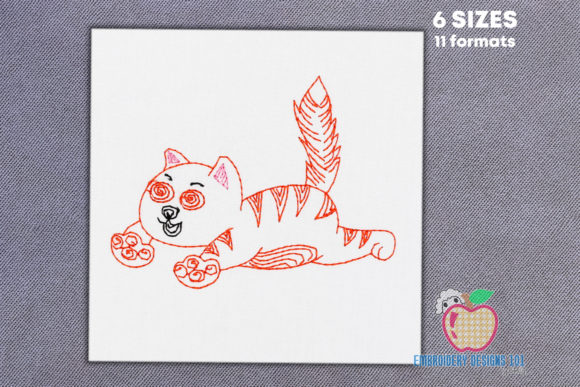
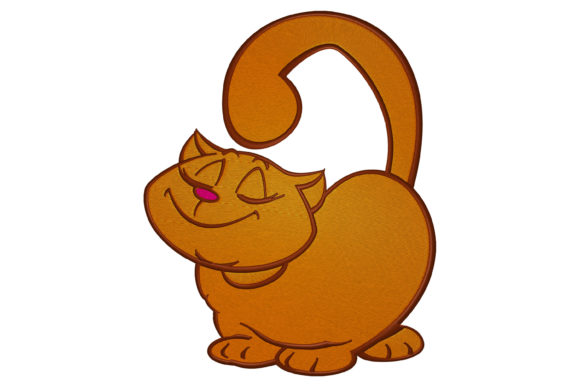
The moment I loaded the digital embroidery file into my software, the vibe was immediate: this design is undeniably cute, modern, and approachable. It does not try to be overly rustic or excessively elegant; instead, it hits that sweet spot of playful charm that appeals to a broad demographic. For Etsy sellers and boutique makers, this versatility is gold. A design that feels at home on a child's pajama set also looks delightful on a sophisticated linen tote bag. The title Happy Cat suggests a mood rather than just a subject, and the visual execution delivers on that promise. It feels like a design that brings a smile, which is exactly the kind of emotional connection that drives impulse buys at handmade markets.
In terms of style, Happy Cat leans towards a clean, contemporary aesthetic. It avoids the cluttered look of vintage farmhouse styles, opting instead for bold lines and clear shapes that read well from a distance. This is crucial for a crowded craft fair aisle where shoppers are scanning tables quickly. If your brand focuses on small shop product quality with a modern twist, this design aligns perfectly with that identity.
Product Versatility for Your Booth Display
The real test of any embroidery file is how it translates across different substrates. Based on the description, this design is intended for t-shirts, sweatshirts, pajamas, and home decor. However, for a craft fair vendor, we need to think about high-margin, low-weight items that are easy to carry and display. Here is how Happy Cat performs on specific handmade product categories:
- Tote Bags and Market Bags: This is likely the strongest contender. A tote bag design needs to be visible from three feet away, and the happy expression of the cat works beautifully on canvas or cotton twill. It turns a utility item into a statement piece.
- Aprons and Tea Towels: Kitchen textiles are perennial favorites. As an apron embroidery motif, it adds personality to a functional garment. Similarly, tea towel embroidery featuring this cat makes for an excellent gift item, especially when paired with a matching pot holder.
- Embroidered Patches: If you offer removable goods, turning this into an embroidered patch allows customers to customize their own denim jackets or backpacks. It expands your inventory without requiring you to stock multiple garment sizes.
- Caps and Hats: While popular, caps require careful handling. The curved surface can distort designs, so this would need to be tested thoroughly to ensure the "happy" expression doesn't look warped.
- Pillow Covers and Pouches: These make fantastic add-on sales. A small zippered pouch with Happy Cat is a perfect price-point item for customers who want something affordable but handmade.
Production Practicality and Batch Efficiency
For those of us running a commercial embroidery operation or a high-volume home business, production speed and reliability are paramount. Happy Cat appears to have a straightforward layout that should facilitate batch production. The design seems to avoid excessive jump stitches, which means less trimming and faster turnaround times between hoops. When you are stitching fifty tote bags for a Saturday market, efficiency is the difference between profit and loss.
Photography is another critical factor for Etsy sellers who rely on online sales alongside physical booths. Designs with clear silhouettes and distinct features, like this one, photograph exceptionally well. They create strong printable mockup assets for your website and social media. A design that looks good in a flat lay photo will convert browsers into buyers. The simplicity of the cat ensures that it does not get lost in the texture of the fabric in photos, maintaining clarity even on smaller screens.
Critical Considerations for Execution
While Happy Cat shows great promise, there are technical aspects every designer must verify before committing to a large production run. The product description mentions it comes with multiple formats, but it cuts off before specifying exact details. Therefore, you must check the following before stitching:
- Stitch Density and Fabric Texture: Evaluate the stitch density carefully. If the design is too dense, it may cause puckering on lighter fabrics like t-shirts or textured tea towels. Conversely, if it is too light, it might lack definition on thick fleece sweatshirts.
- Thread Colors and Contrast: Ensure your thread colors pop against the fabric. A happy cat needs to look vibrant. Test the design on dark fabric to see if the outlines hold up or if you need to add a underlay or backing for contrast.
- Hoop Size and Placement: Confirm the required hoop size fits your machine's capabilities and the dimensions of your products. A design meant for a large back panel might look cramped on a small pocket.
- Stabilizer Selection: The choice of stabilizer is non-negotiable. For stretchy knits like pajamas, a cut-away stabilizer is likely necessary to prevent distortion over time. For woven tote bags, a tear-away might suffice, but always test first.
- Licensing Terms: The description hints at commercial use ("comes with m..."), but do not assume. Always confirm the licensing terms explicitly to ensure you are allowed to sell finished product items made with this file.
Maximizing Visual Appeal and Sales
Ultimately, the success of Happy Cat in your booth depends on how it enhances your overall display. A cohesive collection of items featuring this design can create a powerful visual theme that draws the eye. Whether it is a row of aprons or a stack of pillow covers, the repetition of the happy feline face creates brand consistency. It tells the customer that you have a curated selection, not just random items.
Customer engagement often hinges on the story behind the product. You can market this as the perfect gift for cat lovers, emphasizing the "happy" aspect as a mood booster. When a customer picks up a tote bag with this design, they aren't just buying a bag; they are buying a little moment of joy. That emotional value increases the perceived worth of your handmade product, allowing you to command a better price point.
In conclusion, Happy Cat is a strong contender for any embroidery business looking to expand its Cats category. Its blend of modern cuteness and practical application makes it ideal for a wide range of craft fair product offerings. By paying attention to fabric choices, stabilizer pairing, and licensing details, you can turn this design asset into a reliable revenue stream. Remember to stitch a sample on scrap fabric first to iron out any tension issues, and then let this cheerful design do the heavy lifting in attracting customers to your table.