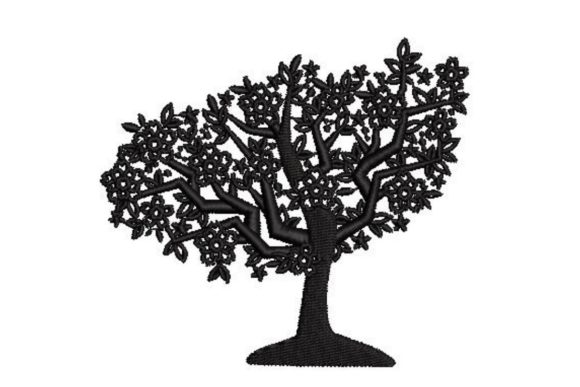
Japanese Sakura Tree: A Craft Fair Best-Seller Review
As an embroidery designer preparing for a busy weekend at the local artisan market, my table strategy is everything. I need products that stop customers in their tracks, designs that stitch out reliably under pressure, and aesthetics that scream "handmade quality." Today, I am reviewing the Japanese Sakura Tree machine embroidery design to see if it earns a prime spot on my display table. This nature-themed piece promises a fresh look for various projects, but does it have the visual punch required for a competitive craft fair environment?
First Impressions and Aesthetic Appeal
When I first loaded the preview of the Japanese Sakura Tree, the immediate feeling was one of elegant softness. Unlike bold, blocky logos or funny novelty phrases, this design leans heavily into the decorative and premium categories. It captures the essence of Asia-inspired botanical beauty without feeling cliché. For a boutique maker, this is gold. It offers a sophisticated vibe that appeals to buyers looking for something timeless rather than trendy.
The design feels minimal yet detailed enough to justify a higher price point. It is not overly rustic or farmhouse-style; instead, it brings a touch of modern elegance. This versatility is crucial for an Etsy seller or booth owner who wants to maintain brand consistency across different product lines. Whether placed on a neutral linen tote or a dark denim jacket, the cherry blossom motif suggests spring, renewal, and natural beauty, making it a strong contender for year-round sales, particularly in the spring and early summer seasons.
Product Versatility for Market Tables
The real test for any digital embroidery file is how it performs across a range of physical goods. I imagined setting up my booth with a variety of samples to gauge customer reaction. Here is how the Japanese Sakura Tree stacks up on potential craft fair products:
- Tote Bags and Market Bags: This is likely the strongest application. A large-format stitch on a canvas tote creates an instant focal point. The organic lines of the tree branches complement the casual texture of cotton canvas perfectly.
- Apron Embroidery: Placing the design on the bib of a kitchen apron adds a artistic flair to a utilitarian item. It transforms a standard cooking tool into a handmade product worthy of gifting.
- Tea Towel Embroidery: For kitchen linens, the design works well as a corner accent. However, one must be mindful of the fabric texture; looped towels can sometimes obscure fine details.
- Embroidered Patches: Creating iron-on or sew-on patches allows customers to buy the design without buying a whole new garment. This is an excellent low-cost entry point for browsers.
- Caps and Hats: While popular, curved surfaces require careful hooping. The branching structure of the sakura tree needs to be checked for distortion on the front panel of a cap.
- Pillow Covers and Pouches: These make fantastic impulse buys. The design serves as a beautiful central motif that elevates simple home decor items.
Production Practicality and Batch Stitching
For a small shop owner, time is money. When evaluating the Japanese Sakura Tree for commercial embroidery production, I look at repeatability. Does the design require constant thread changes? Is the stitch density manageable? Based on the description stating it stitches out beautifully on any fabric, it suggests a balanced approach to fill and satin stitches.
However, practical judgment dictates that I must test this before running a batch of twenty tote bags. Dense stitch areas, common in tree trunks or heavy foliage, can cause puckering if the stabilizer isn't matched correctly to the fabric weight. For textured towels or thick denim, a cut-away stabilizer is non-negotiable to prevent the design from sinking in or distorting over time. On lighter fabrics like silk or thin cotton for pouches, a tear-away might suffice, but testing is key.
The design appears to work well as both a small accent and a large focal design. This scalability is vital. I can use a smaller version for pocket logos on aprons and a larger version for the back of tote bags, maximizing the utility of a single embroidery file. This flexibility helps in creating a cohesive collection for a booth display without needing to purchase dozens of different designs.
Visual Impact and Customer Engagement
In a crowded marketplace, visual appeal drives sales. The Japanese Sakura Tree has a distinct advantage: color. By utilizing a palette of soft pinks, whites, and browns, it stands out against the sea of monochrome and neon often found at craft fairs. It draws the eye naturally. When photographed for online listings or printable mockups, the contrast between the delicate blossoms and the branch structure creates depth, making the finished product look expensive and high-quality.
Customers often engage more with designs that tell a story or evoke an emotion. This design evokes tranquility and nature. It invites questions ("Is this hand-stitched?", "What kind of thread is this?"), which opens the door for conversation and sales. For an Etsy seller, these emotional connections translate into better conversion rates and repeat customers who appreciate the handmade quality.
Critical Designer Notes and Cautions
While the potential is high, a professional review must address the risks. The description mentions it works on any fabric, but experienced designers know that "any" comes with caveats.
- Tiny Details: If the design includes very small blossoms or fine twig details, these may lose clarity on thick fabrics like terry cloth or on small items like coin purses. Always check the smallest element size before committing to a difficult fabric.
- Thread Contrast: On dark fabrics, ensure you are using high-sheen or slightly lighter thread colors to maintain visibility. A dark brown trunk on black fabric will disappear.
- Hoop Size: Verify the required hoop size against your machine's capabilities. If the design is large, you may need a mega hoop or a re-digitized version for smaller frames.
- Licensing: Before selling finished products commercially, confirm the licensing terms of the design assets. Not all digital files allow for unlimited commercial use of the physical goods.
Finally, never skip the scrap fabric test. Stitch the Japanese Sakura Tree on the exact material you intend to sell. Check for pull compensation, registration issues, and overall finish. Create at least one real mockup to see how it looks in natural light, not just on a screen.
Final Verdict for the Booth
The Japanese Sakura Tree is a robust choice for embroiderers looking to expand their catalog with something elegant and universally appealing. It bridges the gap between simple decorative Embroidery and high-end boutique art. Its strength lies in its adaptability across tote bags, home decor, and wearable accessories. With proper attention to stabilizer selection and fabric testing, this design has the potential to be a top seller, offering customers a piece of natural beauty that feels both personal and premium. For the serious craft fair vendor, it is a design worth stitching.