Closeup of a Frog's Face: A Craft Fair Review
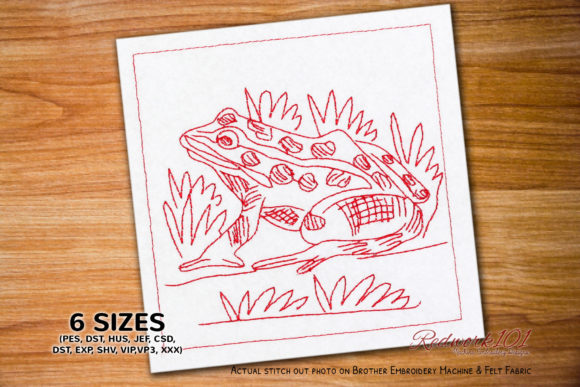
As an embroidery designer who has spent countless weekends standing behind booth tables, I know that the difference between a browsing customer and a buying customer often comes down to one thing: immediate visual impact. When I pulled up the Closeup of a Frog s Face design to evaluate it for my upcoming craft fair lineup, I wasn't just looking at a digital preview; I was imagining it stitched onto real fabric under the glare of tent lights. This peculiarly attractive redwork embroidery offers something distinct for sellers of handmade product lines. It isn't just another generic animal motif; it has character, and in the world of boutique making, character sells.
First Impressions and Market Appeal
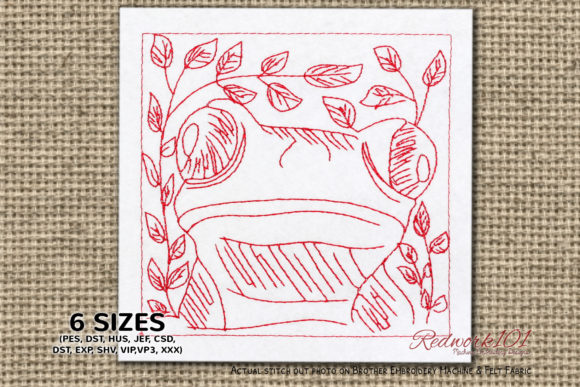
The first thing that strikes me about this machine embroidery design is its bold simplicity. Described as "redwork," it immediately suggests a rustic, farmhouse, or vintage aesthetic that performs exceptionally well in today's market. The title, Closeup of a Frog s Face, promises intimacy and detail. Customers love items that feel personal, and a close-up perspective invites them to lean in and inspect the stitch work. While the product category lists it under Reptiles, the charm here transcends biological classification; it feels more like a whimsical garden friend than a scientific illustration.
For an Etsy seller or a craft fair vendor, this design hits the sweet spot between cute and sophisticated. It avoids being overly childish, which broadens the demographic. A teenager might want it on a tote bag, while a grandmother might appreciate it on a kitchen towel. The optional box stitch mentioned in the description adds a layer of versatility. If you want a framed, portrait-like feel, you include the box. If you prefer a floating, modern look for a pocket or cap, you omit it. This flexibility is crucial for a small shop product line where you need to maximize the utility of every digital embroidery file you own.
Product Suitability and Display Strategy
When planning my booth display, I mentally mapped where Closeup of a Frog s Face would shine brightest. Here is how I see it performing across various craft fair product categories:
- Tote Bags and Market Bags: This is likely the strongest contender. A large hoop placement on a canvas tote allows the "closeup" nature of the frog to truly breathe. The redwork style contrasts beautifully against natural cotton or denim, creating a high-visibility tote bag design that stops foot traffic.
- Tea Towels and Aprons: For tea towel embroidery and apron embroidery, this design serves as a perfect focal point. The simplicity of redwork means it won't get lost in the texture of waffle weave or linen blends. It adds a touch of humor to kitchen linens without overwhelming the space.
- Embroidered Patches: Because the design is described as having an optional outer box, it is inherently patch-ready. Stitching this onto twill and cutting it out creates a fantastic embroided patch that customers can iron onto jackets or hats later.
- Caps and Pouches: On curved surfaces like caps, the simplified lines of redwork are forgiving. However, the "closeup" aspect means you must be careful not to scale it too small, or the facial features might blur.
In a physical booth, I would place a sample of this design on a neutral-colored pillow cover right at eye level. The unexpected character of the frog draws the eye, and the clean lines of the embroidery signal high-quality craftsmanship. For online listings, creating a printable mockup that shows the design on textured fabric will help convey the tactile quality of the finished product.
Production Realities and Technical Considerations
From a production standpoint, speed and consistency are key for commercial embroidery. Redwork designs are generally faster to stitch because they use a single color and often have less fill density. However, reviewing the notes on Closeup of a Frog s Face, there are critical factors to consider before running a batch.
The description notes that the color of the outer box is different, implying a two-color option if you choose to include the frame. If you stick to true redwork, you save on thread changes, which is a massive time-saver during a busy production week. However, you must pay attention to stitch density. Even in line work, if the lines are too close together, they can cause puckering, especially on lighter fabrics.
Here are specific technical hurdles to watch for:
- Fabric Texture: On thick or highly textured towels, fine details in the frog's eyes or mouth might get swallowed by the fabric loops. Always test on the actual blank you intend to sell.
- Curved Surfaces: If applying this to a cap, the curvature can distort the "closeup" perspective. Ensure your digitizing accounts for push and pull factors so the frog doesn't look squashed.
- Dark Fabric: Redwork traditionally uses red thread on white fabric. If you plan to stitch this on dark garments for contrast, ensure the thread has enough sheen and thickness to stand out, or consider using a lighter underlay to prevent the fabric color from muting the design.
- Scaling: Since this is a face close-up, shrinking it too much for a small pouch might turn the eyes into indistinguishable blobs. Respect the minimum size limits of the embroidery file.
Maximizing Value and Brand Consistency
Integrating Closeup of a Frog s Face into your catalog can significantly boost buyer engagement. It acts as a conversation starter. In my experience, customers buy stories as much as they buy products. Being able to say, "Look at this little guy peeking out," creates an emotional connection. This emotional hook increases the perceived value of the item, allowing you to price your handmade product higher than a generic, mass-produced alternative.
Furthermore, this design supports brand consistency. If your brand identity leans toward nature, whimsy, or rustic charm, this frog fits seamlessly. It works as part of a larger collection of design assets featuring garden creatures or redwork themes. Consistency in style makes your booth look professional and curated, rather than random.
Final Designer Notes for Success
Before you commit to stitching fifty units for the weekend market, treat this digital embroidery file with the respect it deserves. Do not assume the default settings will work for every material. My golden rule is to always stitch a test run on scrap fabric that matches your final product. Check the thread contrast—does the red pop enough? Review the spacing between the stitches to ensure durability after washing. Confirm the hoop size required; if it needs a large hoop, that limits your ability to do multi-item hooping, affecting your production speed.
Also, verify the licensing terms. The description mentions the box stitch is optional and colors differ, but it does not explicitly state the commercial license scope. Always confirm you have the rights to sell finished goods made from this design before listing them on Etsy or at your local fair. Finally, select the right stabilizer. For redwork on lightweight tea towels, a cut-away stabilizer might be overkill, but a tear-away could leave the stitches unstable over time. Match your materials to the design's demands.
In conclusion, Closeup of a Frog s Face is a versatile, charming asset for any embroidery business. With its strong visual appeal and adaptable style, it has the potential to be a bestseller in your Reptiles or nature-themed collections. By paying attention to the details of production and presentation, you can turn this simple line drawing into a premium finished product that customers will love to take home.