Origami Elephant: A Designer's Review for Real Projects
As someone who spends hours staring at screens previewing machine embroidery design files before committing thread and fabric, I approach new assets with a mix of excitement and skepticism. When I first loaded the Origami Elephant onto my workspace, I wasn't just looking for a cute image; I was evaluating its potential as a viable component for client work and small shop merchandise. This isn't just another generic animal motif; it carries a specific geometric personality that demands careful consideration regarding where and how it gets stitched.
First Impressions and Visual Personality
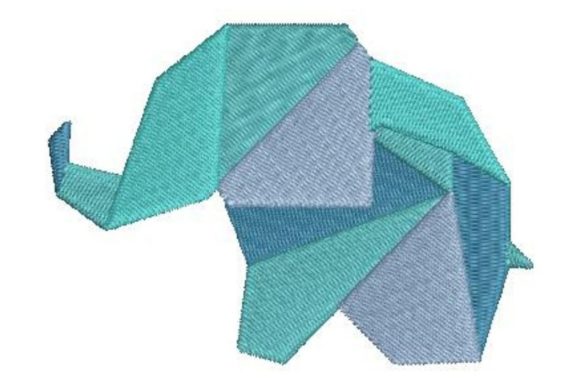
The immediate appeal of the Origami Elephant lies in its clean, angular aesthetic. Unlike traditional wildlife designs that rely heavily on organic curves and complex shading to mimic fur or skin texture, this piece embraces a stylized, folded-paper look. For a designer, this is a breath of fresh air. The sharp lines and defined edges suggest a modern vibe that fits perfectly into contemporary nursery decor or boutique branding.
The mood it creates is playful yet sophisticated. It avoids the overly babyish trap that many Wild Animals categories fall into, making it versatile enough for children's clothing while still holding its own on adult apparel like tote bags or sweatshirts. The visual personality is distinct—it feels intentional and crafted, which immediately elevates the perceived value of any handmade product it adorns.
Real-World Application: The Custom Tote Scenario
To truly test the viability of this design, I imagined a real-life scenario: a custom order for a local boutique needing a run of eco-friendly tote bags. The client wanted something unique that didn't scream "generic gift shop." Here, the Origami Elephant shines. Because the design relies on shape rather than dense fill coverage, it stitches out beautifully on canvas or heavy cotton without causing the fabric to pucker excessively—a common nightmare with larger animal motifs.
In this context, the design acts as a strong focal point. Whether used as a standalone embroidered patch concept or stitched directly onto the bag, the geometric nature ensures high recognition. Customers are likely to respond positively to the clever interpretation of an elephant, seeing it as a thoughtful personalized gift rather than mass-produced inventory. For an Etsy seller, this kind of distinct visual hook is crucial for standing out in a crowded marketplace.
Performance Across Different Fabrics and Items
While the tote bag scenario is ideal, versatility is key for any digital embroidery file in a professional library. Let's break down how this design performs across various mediums:
- Baby Embroidery: The description notes suitability for children's clothing. On a soft onesie or bib, the clean lines of the origami style prevent the "stiff cardboard" feel that dense satin stitches can create. It remains soft against sensitive skin.
- Sweatshirt Embroidery: On fleece or French terry, the definition of the folds needs to be crisp. This design generally handles textured fabrics well because the angles help define the shape even if the fabric pile is slightly high.
- Kitchen Towels and Bath Supplies: For terry cloth or waffle weave, the structural integrity of the elephant shape holds up. It transforms a standard bath supply into a coordinated set, perfect for housewarming gifts.
- Holiday Embroidery: With a simple color swap—perhaps using red and green threads or adding a small holly accent—this becomes a charming holiday ornament or stocking stuffer design.
However, caution is advised when working with very stretchy fabrics or thin materials like silk. The angular points of the origami style can sometimes pull if the stitch density is too high for the fabric weight. Always pair this with the appropriate stabilizer to maintain those sharp corners.
Critical Considerations for Professional Use
Before adding the Origami Elephant to your commercial lineup, there are practical hurdles to clear. As a reviewer, I always flag specific areas where designs can fail if not managed correctly.
Small Hoop Sizes and Detail Loss: If you plan to scale this down for a cap or a small pocket logo, inspect the tiny triangular facets. In smaller hoop sizes, intricate details can merge, turning crisp folds into a muddy blob. It is essential to check the design at 100% zoom in your software to ensure the running stitches and satin borders remain distinct.
Thread Color Contrast: The success of an origami-style design hinges on contrast. Since the form is defined by the illusion of light and shadow created by the "folds," using monochromatic threads might flatten the image. I recommend testing different thread colors to ensure the dimensional effect pops, especially on dark fabric backgrounds.
Curved Surfaces: Applying this to a structured cap requires care. The flat, geometric nature of the elephant might distort slightly on the curved front panel of a hat. A test stitch on a scrap piece of similar curvature is non-negotiable here.
Enhancing Brand Value and Customer Trust
Using a well-chosen design like the Origami Elephant directly impacts your brand consistency. It signals to your customers that you curate your design assets with taste and intention. When a customer receives a finished product featuring such a clean, modern motif, it reinforces trust in your craftsmanship. It moves the perception from "homemade" to "professionally made."
For those creating printable mockups for digital sales or pre-orders, this design photographs exceptionally well. The strong lines translate clearly in images, helping to drive buyer engagement online. Whether you are selling the physical finished product or offering custom apparel services, the professional look of this embroidery adds tangible value.
Final Designer Notes and Best Practices
To wrap up this evaluation, here is my checklist for anyone planning to use the Origami Elephant in their next embroidery project:
- Test First: Never skip the scrap fabric test. Verify how the stitch types (satin vs. fill) interact with your specific material.
- Check Licensing: The product description mentions suitability for various items but does not explicitly detail commercial license terms. Before selling items made with this embroidery file, confirm the creator's policy on commercial use.
- Review Stitch Density: Ensure the density isn't too high for lightweight fabrics to avoid puckering.
- Mockup Variations: Create black and white mockups to see if the design holds its form without color reliance.
- File Compatibility: Verify that the file format matches your machine's requirements, as this information was not specified in the initial product data.
In conclusion, the Origami Elephant is a standout choice for designers looking to add a touch of modern whimsy to their Wild Animals collection. It bridges the gap between playful and professional, making it a robust asset for everything from baby showers to boutique fashion lines. With proper preparation and attention to fabric compatibility, it promises to stitch out beautifully and delight end-users.