Zentangle Patterned Wolf Head: A Pro Review
As an embroidery designer who spends most of my days digitizing for commercial clients and vetting digital embroidery file libraries for small business owners, I approach every new design with a critical eye. It is not just about whether a pattern looks pretty on a screen; it is about how that machine embroidery design translates to fabric, withstands washing, and elevates a brand's identity. Today, I am reviewing the Zentangle Patterned Wolf Head, a striking piece categorized under Wild Animals, specifically analyzing its potential for branded merchandise, patches, and professional apparel.
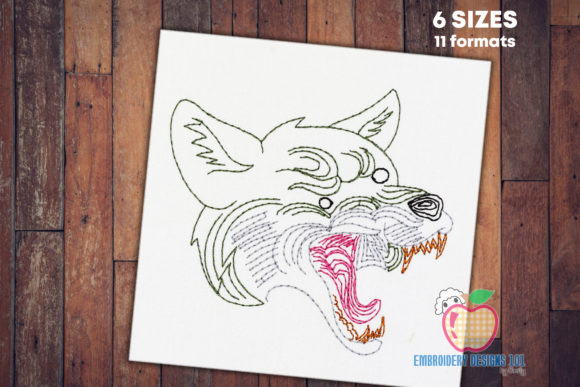
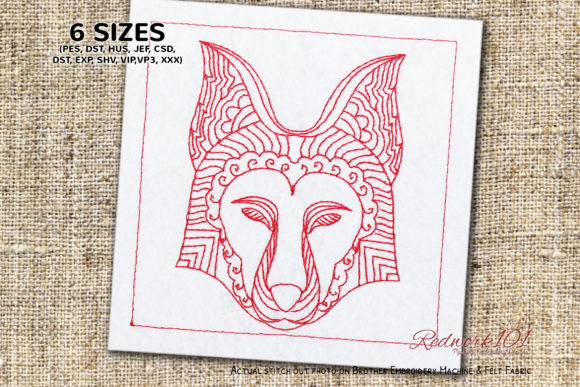
My first impression of the Zentangle Patterned Wolf Head is that it strikes a rare balance between rustic charm and modern sophistication. The description notes it is a "stunning redwork embroidery," which immediately signals a classic, single-color aesthetic that never goes out of style. Redwork has a heritage feel, often associated with handmade quilts and vintage linens, but the subject matter—a wolf rendered in intricate Zentangle lines—pushes it into contemporary territory. For a boutique owner or a creative studio, this design feels premium yet accessible. It does not scream "corporate logo," but rather whispers "artisanal quality," making it perfect for brands that want to project authenticity and craftsmanship.
Real-World Application for Small Business Merch
When considering where to deploy the Zentangle Patterned Wolf Head, the possibilities for small business merch are extensive. Because the design relies on line work rather than heavy fill stitches, it is exceptionally versatile for custom apparel. Imagine a local coffee shop or a pet grooming salon looking to upgrade their staff uniforms. This wolf head would look incredible as a chest logo accent on a dark navy work shirt or as a sleeve detail on a denim apron. The redwork style ensures that even on textured fabrics, the design remains legible and sharp.
For Etsy sellers and crafters, this design is a goldmine for creating high-margin embroidered patch products. Patches are currently a massive trend in the maker community, allowing customers to customize their own jackets and bags. The intricate Zentangle patterns within the wolf's silhouette provide enough visual interest to stand alone as a fashion statement without needing additional text. Furthermore, because the outer box stitch is optional according to the product description, you have the flexibility to create organic-shaped patches that follow the contour of the wolf's head, offering a more dynamic look than standard circular or square badges.
Beyond apparel, consider the utility of this design on tote bag design projects. A canvas tote featuring this wolf head appeals to nature lovers and fans of unique art. It could also serve as a beautiful apron embroidery motif for florists or bakers who want to brand their workspace with something more distinctive than a simple text logo. The "Wild Animals" category fits perfectly here, appealing to outdoor retailers, camping gear shops, or even wildlife conservation nonprofits looking for fundraising merchandise.
Technical Considerations and Placement Strategy
While the aesthetic appeal is high, a professional review must address the technical realities of stitching this design. The term "Zentangle" implies dense, repetitive patterning. In the world of commercial embroidery, this raises flags regarding stitch density. If the lines are too close together, especially in a redwork format where there are no satin columns to bridge gaps, you risk thread breaks or bird-nesting on lower-end machines. Before running a production batch, it is crucial to test the embroidery file on the specific machine you intend to use.
Placement is another critical factor. The Zentangle Patterned Wolf Head should be used carefully on curved surfaces like the front of a baseball cap. Cap embroidery requires designs that can handle the curvature of the buckram without distortion. Intricate line work can sometimes pull or pucker on the steep curve of a cap front. I recommend testing this design on a spare cap first to ensure the registration holds up. Similarly, if you are scaling this down for a tiny product label or a small pocket logo, verify that the finest details of the Zentangle pattern do not merge into a solid blob. Redwork relies on negative space; if the design is too small, that negative space disappears.
Fabric texture also plays a massive role. On smooth twill or broadcloth, this design will shine. However, on highly textured materials like fluffy towels or coarse wool blends, the fine lines might get lost. For these applications, you may need to adjust the underlay or choose a thicker thread weight, provided your machine supports it. Additionally, since redwork is traditionally single-color, contrast is key. Ensure your thread colors pop against the fabric choice; a dark red on black might look sophisticated but could lack definition from a distance.
Impact on Brand Identity and Customer Trust
In the competitive landscape of handmade goods and local business, visual consistency is everything. Using a cohesive set of design assets like the Zentangle Patterned Wolf Head can significantly boost brand recognition. When a customer sees this distinct wolf motif on a tote bag, then again on a sticker, and finally on the shop's signage, it creates a psychological anchor. It tells the customer that the brand pays attention to detail and values quality.
This specific design enhances perceived value. A generic, clip-art style wolf might feel cheap, but a Zentangle-patterned version suggests time, effort, and artistic intent. This perception translates directly to product value. Customers are often willing to pay more for items that feature complex, hand-crafted-looking embroidery because they associate the labor intensity with higher quality. For a boutique, using this design on limited edition runs of merchandise can create a sense of exclusivity and drive buyer engagement.
Practical Notes for the Embroidery Professional
Before you commit to purchasing or stitching the Zentangle Patterned Wolf Head for a client project, here are my essential recommendations:
- Test in Black and White First: Even though it is described as redwork, stitch a sample in black thread on white fabric. This provides the highest contrast and allows you to inspect every line for clarity and spacing issues.
- Verify Hoop Size: The product description mentions an optional box stitch. Check if the full design including the box fits within your standard hoop size. You may need a larger hoop or a re-digitized version if the box pushes the limits.
- Stabilizer Selection: Given the likely density of the Zentangle patterns, use a cut-away stabilizer rather than tear-away. This ensures the design remains stable over time and prevents puckering after multiple washes.
- Create a Printable Mockup: Before stitching on expensive garments, create a printable mockup to show your client. Visualizing the scale and placement on a flat image can save you from costly mistakes.
- Check Commercial Licensing: Always confirm the license terms of the digital embroidery file. Ensure you have the rights to use the design for commercial purposes, especially if you are selling the finished patches or branded apparel.
- Review Thread Contrast: If you deviate from traditional redwork, ensure your chosen thread colors offer sufficient contrast against the garment color to maintain the integrity of the intricate lines.
The product description states that the "Box Stitch shown in the picture is optional" and mentions the color of the outer box, but it does not specify exact stitch counts, available file formats, or precise dimensions. These are vital details for production planning. I strongly advise contacting the vendor or checking the detailed specification sheet to confirm the stitch count and supported formats (such as PES, DST, or EXP) before finalizing your order.
In conclusion, the Zentangle Patterned Wolf Head is a powerful asset for any embroidery professional or small business owner looking to add a touch of wild elegance to their product line. Its versatility across custom apparel, patches, and accessories makes it a smart investment. With proper testing and attention to technical details like stabilizer and fabric choice, this design can become a cornerstone of a successful branded merchandise collection, delivering a finished product that exudes quality and artistic flair.