Tree with Bare Branches: A Designer's Review for Real Projects
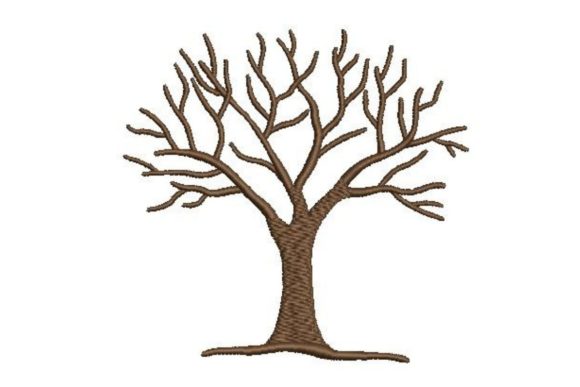
When I first pulled up the Tree with Bare Branches design on my screen, I wasn't looking for flashiness. As someone who spends hours hooping fabric and troubleshooting thread breaks, I look for integrity in line work and a sense of mood that translates well from digital file to physical stitch. This design, categorized under Forest themes, immediately struck me as a piece of quiet elegance. It isn't trying to shout; instead, it offers a contemplative, organic silhouette that feels incredibly versatile for modern handmade products. The description promises a "touch of joy," and while bare branches might sound stark to some, in the context of embroidery, they offer a sophisticated minimalism that is currently very popular in boutique branding and home decor.
First Impressions: Mood and Visual Personality
The visual personality of Tree with Bare Branches is defined by its negative space. Unlike dense floral fills or cartoonish characters, this design relies on the interplay between the thread and the fabric texture. When evaluating an embroidery file like this, my first thought is always about how the stitch types are utilized. Does it rely too heavily on running stitch, which can look sparse on certain materials? Or does it incorporate enough satin stitch or fill stitch to give the trunk and larger limbs some weight and presence?
In this case, the layout suggests a balanced approach. The branching structure feels natural, avoiding the rigid symmetry that often plagues cheaper digital assets. For a designer, this means the finished product will look less like a stamped logo and more like a piece of art. The mood is serene and grounded, making it an excellent candidate for projects where the goal is to evoke calmness or a connection to nature. It feels at home on linen, cotton, and even heavier canvas, provided the stitch density is managed correctly.
Real-World Application: From Screen to Stitch
To truly test the viability of Tree with Bare Branches, I imagined a specific real-life scenario: a custom order for a local coffee shop looking for branded aprons and tote bags. They wanted something earthy but not cliché. This design fits that brief perfectly. Imagine stitching this onto a natural-colored linen apron using a deep charcoal or forest green thread. The contrast would be subtle yet striking.
For custom apparel, specifically sweatshirt embroidery, this design shines. Sweatshirts often have a textured surface, and a design with open branches allows the fabric's fleece or french terry to peek through, adding depth to the image. If you were to use a dense fill here, it might become too stiff or cause puckering on a garment meant to be soft and wearable. The open nature of the branches ensures the finished product remains flexible and comfortable.
I also see strong potential for holiday embroidery projects. While many rush to snowflakes and reindeer, a bare tree speaks to the quiet beauty of winter. Stitched onto a pillow cover or a tea towel in silver or white thread against a navy background, it becomes a sophisticated seasonal accent that doesn't scream "Christmas" but definitely feels like winter. For Etsy sellers and small shop owners, this kind of subtlety often commands a higher price point because it appeals to customers looking for timeless decor rather than trendy, disposable items.
Versatility Across Products
The adaptability of this machine embroidery design extends to various niches:
- Baby Embroidery: Softened with pastel threads on a onesie or blanket, the tree becomes a symbol of growth and family roots.
- Embroidered Patch: With the right stabilizer and border, this could be digitized further into a patch for jackets or backpacks, offering a rugged, outdoorsy vibe.
- Nursery Decor: Large scale versions on wall hangings create a focal point that is calming for children's rooms.
- Personalized Gift: Adding a name or date beneath the tree (if the hoop size permits) makes for a meaningful wedding or anniversary gift.
Technical Considerations and Fabric Choices
However, beauty in a design file doesn't always guarantee success in the hoop. There are areas where Tree with Bare Branches requires careful handling. The primary concern with any design featuring fine, extending lines is the risk of distortion on stretchy fabrics. If you are attempting this on a thin t-shirt or a knit cap, the tension of the stitches could pull the fabric, causing the delicate tips of the branches to warp.
For curved surfaces like caps, the placement is critical. The center of the tree needs to align perfectly with the cap's seam to avoid visual imbalance. Furthermore, on dark fabrics, you must ensure your thread colors have enough contrast. A dark brown thread on a black jacket will render the design invisible. Always test your thread colors against the intended fabric background. I recommend creating a quick printable mockup or doing a physical stitch-out on scrap fabric before committing to the final client item.
Stabilizer choice is another non-negotiable factor. Because the design likely features varying densities—from the thicker trunk to the wispy outer branches—a cut-away stabilizer is often safer than tear-away, especially for garments that will be washed frequently. This prevents the design from sagging over time and maintains the crispness of the satin stitch or running stitch details.
Designer Notes for Commercial Use
If you are a craft business owner planning to sell items made with this design, due diligence is key. Before listing your small shop product on Etsy or at a craft fair, verify the licensing terms associated with the digital embroidery file. Some designers allow unlimited sales of finished physical goods, while others restrict the quantity or prohibit use in certain commercial contexts. Never assume; always check the documentation provided with the download.
Additionally, consider the hoop size requirements. If the design is large, ensure your machine can accommodate it without excessive re-hooping, which can lead to registration errors. For smaller hoops, you might need to resize the design, but be cautious: shrinking it too much could merge the fine branches together, turning a detailed tree into a muddy blob. Inspect small details closely after resizing.
Final Verdict on Value and Appeal
Ultimately, Tree with Bare Branches is a design that respects the intelligence of the viewer. It doesn't over-explain itself. In a market saturated with loud and busy graphics, this design offers a moment of pause. For the embroiderer, it provides a satisfying challenge in managing tension and thread flow. For the end customer, it delivers a product that feels curated and thoughtful.
Whether you are creating design assets for a portfolio, stocking inventory for a boutique, or making a personalized gift for a loved one, this design holds its own. It enhances brand consistency for businesses aiming for an eco-friendly or artisanal image. The clarity of the stitching, when executed with proper technique, builds customer trust. It signals that the maker cares about aesthetics and quality.
In conclusion, if you are looking for a Forest themed element that transcends seasonal trends and works across a wide array of textiles, this is a strong contender. Just remember to respect the technical limitations of your machinery and materials. Test your stitch density, choose your stabilizer wisely, and let the natural beauty of the tree speak for itself. With the right execution, this design will undoubtedly make you proud of your artwork, turning a simple weekend hobby into a professional-grade creation.