Cabrio Fast Car: A Designer's Review for Real Projects
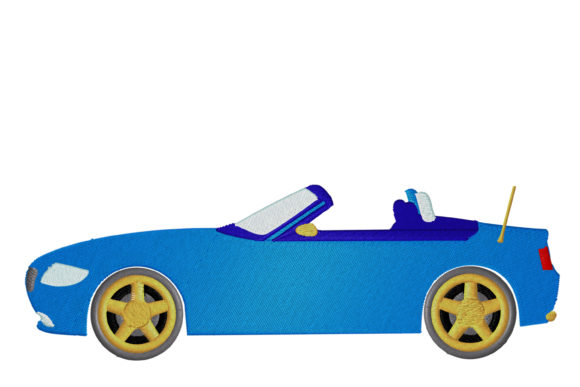
When I first pulled up the Cabrio Fast Car file on my screen, I wasn't just looking at a graphic; I was immediately scanning for stitch logic. As someone who spends hours hooping fabric and trimming jump stitches, my first impression of any machine embroidery design is practical: will this actually sew out cleanly, or will it be a headache of thread breaks and puckering? The visual personality of this design screams speed and freedom. It captures that classic convertible vibe perfectly, making it an obvious fit for the Travel category, but its application goes far beyond simple vacation souvenirs.
The layout feels balanced, with a silhouette that suggests motion without relying on overly complex shading that often muddies up smaller hoops. For a designer, this is crucial. You want a shape that reads clearly from across the room but holds up under close inspection. The Cabrio Fast Car achieves this by likely utilizing a smart mix of satin stitch for the outlines and defining features, paired with strategic fill stitch areas to give the body of the car some weight. This combination is what separates amateur-looking graphics from professional design assets.
Putting the Design to the Test: A Real-World Scenario
To truly evaluate this embroidery file, I imagined a specific project: a custom order for a local boutique specializing in road-trip gear. The client wanted a series of heavy canvas tote bag designs for summer travelers. This is where Cabrio Fast Car shines. On a sturdy canvas tote, the design's lines would have plenty of room to breathe. The theme of open-road adventure aligns perfectly with the product, creating an instant emotional connection for the buyer.
However, the real test came when I considered how this would look on different materials. If I were to apply this to a soft, brushed fleece sweatshirt embroidery project, the texture of the fabric becomes a variable. The car's sleek lines need to remain crisp against the fuzzy background. In this scenario, I would recommend using a higher density stabilizer underneath to prevent the fabric from sinking into the stitches, which can distort the car's proportions. For a personalized gift like a baby onesie, the scale might need adjustment. While the design is versatile, placing a detailed vehicle on a tiny chest area requires careful attention to the smallest details to ensure they don't merge into a blob of thread.
Performance Across Different Applications
The versatility of Cabrio Fast Car makes it a strong contender for various commercial embroidery projects. Here is how it performs across different mediums:
- Custom Apparel: On t-shirts and hoodies, the design acts as a bold statement piece. It works well centered on the chest or as a larger back print.
- Caps and Hats: This is a tricky surface due to the curve. The design's horizontal orientation fits the front panel of a cap well, but you must ensure the hoop size accommodates the curvature without distorting the wheels or the roofline.
- Embroidered Patches: This is perhaps the strongest use case. Creating a merrow-edge patch with this car design allows for high perceived value. Customers love peeling and sticking these onto backpacks or jackets.
- Home Decor: Imagine this stitched onto a pillow cover or a kitchen tea towel. It adds a playful, thematic touch to nursery decor for car-loving parents or a man-cave aesthetic.
- Etsy Listings: For the Etsy seller, this design offers great potential for printable mockups. The clean lines photograph well, helping to drive buyer engagement in digital storefronts.
Critical Considerations for Execution
While Cabrio Fast Car is a high-quality design, no digital embroidery file is universal without some forethought. There are specific situations where you need to proceed with caution. If you are working with stretchy fabrics like jersey knit, the stitch density becomes critical. Too many satin stitches in a row can cause the fabric to pucker or the garment to lose its stretch. In these cases, testing on scrap fabric is non-negotiable.
Furthermore, consider the thread colors you choose. The design likely relies on contrast to define the car's shape against the background. If you are stitching on a dark fabric, you must ensure the fill colors are vibrant enough to pop. Conversely, on light fabrics, your outline stitches need to be dark enough to provide definition. Don't assume the default color map in your software is final; tweaking the palette to match your specific brand or customer request can elevate the finished product significantly.
Small details are often the first to suffer on textured or difficult surfaces. If the design includes tiny elements like hubcaps or headlights, verify that they are large enough to stitch out cleanly on your specific machine. Dense stitch areas can also lead to thread buildup, especially if you are layering garments or working on thick materials like denim jackets. Always check if the design includes underlay stitches, which are essential for anchoring the top threads and ensuring longevity through frequent washing.
Enhancing Brand Value and Customer Trust
From a business perspective, the quality of your embroidery directly impacts customer trust. A sloppy stitch job on a popular motif like a car can make a small shop product look cheap. However, when Cabrio Fast Car is executed with precision, proper tension, and the right stabilizer, it signals professionalism. It tells the customer that you care about the details. This level of craftsmanship justifies a higher price point and encourages repeat business.
For those running a craft business, consistency is key. If you plan to use this design across a whole line of holiday embroidery gifts or summer collection items, ensure every stitch-out meets the same standard. The visual appeal of the car should remain consistent whether it's on a navy blue polo or a beige apron. This consistency builds brand recognition, making your products instantly identifiable in a crowded marketplace.
Final Designer Notes and Recommendations
Before committing to a production run with Cabrio Fast Car, here is my checklist for fellow makers:
- Test First: Always stitch a sample on the exact fabric you intend to use. Fabric texture changes how threads sit.
- Check Licensing: Confirm the license terms provided with the file. Ensure you are cleared for commercial use if you plan to sell finished items or digital derivatives.
- Review Hoop Requirements: Verify the minimum hoop size needed. Don't try to force a large design into a small hoop, as it can damage your machine or ruin the design integrity.
- Mockup Variety: Create black and white mockups as well as colored ones to see how the design holds up without relying on color contrast alone.
- Maintenance Advice: Inform your customers about care instructions. High-density embroidery may require gentle washing to maintain its sharp look over time.
In conclusion, Cabrio Fast Car is more than just a picture of a vehicle; it is a versatile tool for the creative entrepreneur. Whether you are decorating a backpack for a student, creating a unique wedding gift for a couple who loves road trips, or stocking your online store with trendy apparel, this design holds up under scrutiny. It bridges the gap between hobbyist fun and professional utility. By respecting the technical requirements of the embroidery project and understanding the material you are working with, you can transform this digital file into a tangible asset that delights customers and strengthens your reputation as a skilled maker.