Vulture on Tree: A Bold Redwork Design for Craft Fairs
As I spread out my samples on the folding table this morning, preparing for the upcoming weekend market, my eyes kept drifting back to the Vulture on Tree design. In a sea of floral motifs and cute woodland creatures that typically dominate the handmade circuit, this piece stands apart with a fierce, natural attitude. For us Etsy sellers and boutique makers, finding a craft fair product that stops a customer in their tracks is the holy grail. This isn't just another bird; it is a statement piece that bridges the gap between rustic farmhouse decor and modern, edgy apparel.
First Impressions and Market Appeal
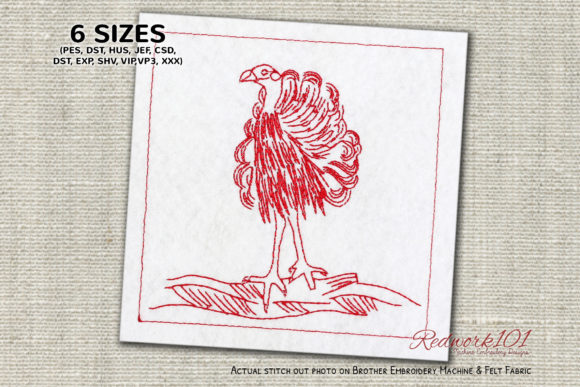
The first thing you notice about Vulture on Tree is its boldness. The description highlights a "natural, fierce look," and that translates perfectly to the physical stitch-out. Unlike soft, pastel designs that blend into the background of a busy booth, this design commands attention. It feels rustic yet contemporary, making it an ideal candidate for customers looking for something unique rather than mass-produced. When evaluating design assets for a seasonal collection, I look for versatility. Does it feel too specific? Not here. The silhouette of the vulture perched on a branch offers a timeless quality that appeals to nature lovers, gothic aesthetic enthusiasts, and those who appreciate raw, organic beauty.
For a small shop product line, visual impact is everything. This design works exceptionally well as a focal point. Whether displayed on a neutral linen tote or a dark denim jacket, the contrast creates an immediate hook. It is not "cute" in the traditional sense; it is dignified and strong. This distinction allows us to target a slightly different demographic at the fair—perhaps the customer who walks past the baby onesies but stops at the artisanal home goods section.
Product Versatility for the Booth Display
When planning my inventory, I ask: where does Vulture on Tree perform best? The potential applications are vast, but some clearly outshine others based on the "redwork" style mentioned in the product details.
- Tote Bags and Market Bags: This is likely the strongest seller. A large-format stitch on a canvas tote creates a wearable piece of art. The simplicity of redwork ensures the design remains legible even from a distance across the aisle.
- Apron Embroidery: For the culinary crafters or those who love gardening, an apron featuring this fierce bird adds character to the kitchen. It transforms a utilitarian item into a conversation starter.
- Tea Towel Embroidery: Kitchen linens are staple handmade products. The linear nature of the design suits the weave of flour sack towels beautifully, provided the stitch density isn't too high for the lightweight fabric.
- Embroidered Patches: Creating iron-on or sew-on patches allows customers to customize their own gear. This expands your reach without requiring you to stock multiple garment sizes.
- Caps and Hats: While popular, curved surfaces require careful handling. The tree branch element must be digitized to flow correctly with the cap's curve to avoid distortion.
- Pillow Covers: As a home decor item, this design shines on textured fabrics like burlap or heavy cotton, enhancing that rustic, premium feel.
Photography and Online Listings
Beyond the physical booth, how does this translate to digital sales? For an Etsy seller, photography is key. The high contrast of the Vulture on Tree makes it incredibly photogenic. It pops against both light and dark backgrounds, making it easy to create striking printable mockups or lifestyle photos. A clear, sharp image of this design on a textured fabric can significantly increase click-through rates. It tells a story of quality and intentionality, which is crucial for selling digital embroidery files or finished goods online.
Production Realities and Practical Notes
Before committing to batch production for the fair, we must address the technical realities. The description mentions "Box Stitch," which implies a specific texture and fill style. While redwork is generally forgiving, there are critical factors to consider to ensure every finished product meets professional standards.
Stitch Density and Fabric Texture: One of the biggest risks with bird designs is overly dense stitching in the feather areas. If the stitch density is too high, it can cause puckering, especially on lighter fabrics like tea towels or thin cotton shirts. Always test the design on scrap fabric identical to your final product. If you are working with textured towels, ensure the needle penetrates cleanly without skipping stitches.
Thread Colors and Contrast: Since this is marketed as redwork, thread choice is paramount. A deep burgundy or bright crimson against natural linen creates a classic look. However, do not be afraid to experiment. A charcoal grey on a black tote (using a slightly lighter shade for definition) or a forest green on cream could offer unique variations for your booth. Just ensure the thread colors provide enough contrast so the details of the vulture do not get lost.
Hoop Size and Placement: Verify the required hoop size before cutting your fabric. If the design is large, you may need a jumbo hoop, which limits the types of garments you can easily embroider (like fitted caps). Ensure the design fits comfortably within the hoop without needing excessive re-hooping, which slows down production during busy prep weeks.
Stabilizer Selection: The right stabilizer is non-negotiable. For stretchy fabrics like t-shirts or caps, a cut-away stabilizer is often safer to prevent long-term distortion. For woven home decor items, a tear-away might suffice, but always consider the weight of the design. A heavy bird silhouette needs solid support.
Commercial Viability and Licensing
Finally, a note on business ethics and legality. Before listing these items as commercial embroidery products, you must confirm the licensing terms of the embroidery file. Some designers allow unlimited sales of finished physical goods, while others restrict the number of items or prohibit digital resale entirely. Never assume; check the documentation provided with the download. Protecting your handmade product business starts with respecting intellectual property.
In conclusion, Vulture on Tree is more than just a pattern; it is a strategic asset for your craft fair booth. Its fierce aesthetic cuts through the noise of typical market offerings, offering a fresh take on Birds and nature themes. By paying attention to fabric choices, stabilizer needs, and presentation, you can turn this single machine embroidery design into a standout collection that drives sales and builds your brand's reputation for quality and creativity. Test it, tweak it, and let it soar on your next batch of goods.