Creative Shop: A Bold Statement for Craft Fair Success
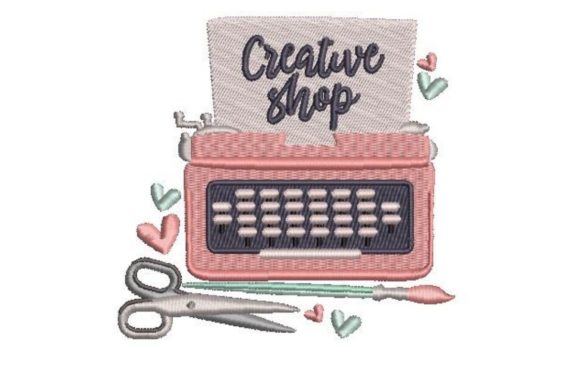
As an embroidery designer who has spent countless weekends setting up booth displays at local craft fairs and handmade markets, I know that the difference between a browsing customer and a buying customer often comes down to one thing: visual impact. When I first pulled up the Creative Shop machine embroidery design on my screen, my immediate thought was about its potential as a branding tool for makers. The title itself suggests a meta-narrative; it is a design for those who create, perfect for the very people walking the aisles of our shows. Based on the description, this piece feels modern, bold, and incredibly functional. It lacks the frilly, rustic farmhouse vibe that saturates some markets, opting instead for a clean, promotional aesthetic that screams "professional handmade business."
First Impressions and Market Viability
The strength of Creative Shop lies in its clarity. In a crowded convention hall or a bustling outdoor market, customers scan tables quickly. They need to understand what they are looking at within seconds. This design appears to serve as a fantastic focal point. It is not overly intricate with tiny details that get lost from three feet away, nor is it so abstract that it confuses the viewer. For an Etsy seller or a boutique maker, this design acts as a badge of honor. It tells the story of the creator immediately. When I imagine this stitched onto a canvas tote bag hanging at the front of my display table, it acts as a beacon. It draws in other creatives, fellow artisans, and customers who appreciate the effort behind handmade goods.
Ideal Products for Maximum Impact
While the product description highlights t-shirts, my experience suggests expanding the application to maximize sales at a craft fair. Here is how I would deploy this digital embroidery file across my inventory:
- Tote Bags and Market Totes: This is the prime real estate for Creative Shop. A heavy-duty canvas tote with this design stitched in high-contrast thread becomes an instant bestseller. It appeals to other vendors looking for gear and shoppers who want to support small businesses.
- Aprons and Kitchen Towels: For the home crafter, an apron featuring this design transforms a utility item into a statement piece. Apron embroidery needs to be durable and visible; if the stitch density is right, this will look premium on cotton twill.
- Embroidered Patches: If the design scales down well without losing clarity, creating iron-on or sew-on patches is a brilliant move. Patches are low-cost, high-margin craft fair products that allow customers to customize their own jackets or bags later.
- Caps and Visors: Placing this on the front panel of a structured cap can work, provided the lettering or graphical elements are not too small. Curved surfaces require careful hooping, but the result is a wearable advertisement for your brand.
- Pillow Covers and Pouches: These make excellent impulse buys. A small zippered pouch with this design is a perfect gift for the creative person in someone's life.
Production Realities and Technical Considerations
Before committing to a batch run of fifty tote bags, any serious commercial embroidery operator must consider the technical execution. The description notes that the file comes in multiple formats, which is essential for compatibility with various machines. However, the devil is always in the details. When reviewing a design like Creative Shop, I always ask: How does it handle different fabric textures?
If you are stitching on a textured tea towel, the stitch density becomes critical. Too dense, and the fabric will pucker or become stiff and unpleasant to touch. Too sparse, and the backing fabric might show through, ruining the professional look. For thick fabrics like tote bag canvas, you must ensure your needle size and thread tension are adjusted. Furthermore, if the design includes small lettering, it may lose definition when scaled down for a pocket logo or a patch. Always test the design on scrap fabric that matches your final product material.
Another crucial factor is color contrast. Since this design is meant to promote a shop, it needs to pop. Using standard black thread on a navy blue bag might render the design invisible. I recommend creating samples in white, gold, or bright accent colors against dark fabrics to ensure readability. Additionally, verify the required hoop size before purchasing. If the design requires a large hoop that your current setup cannot accommodate, it limits your ability to produce items like full-back jacket emblems or large pillow covers.
Visual Appeal and Brand Consistency
In the world of online sales, the printable mockup is just as important as the physical item. This design photographs exceptionally well because of its likely clean lines and clear message. For an Etsy seller, having a design that looks crisp in thumbnail images is vital. Creative Shop offers a cohesive look that can tie together an entire product line. Imagine a booth where the vendor's apron, their sample tote bags, and their packaging all feature variations of this same motif. That level of brand consistency signals quality and professionalism to the buyer.
Furthermore, this design supports the narrative of the "handmade product." It doesn't look like a generic clip-art transfer; when executed with quality thread and proper stabilizer, it has the tactile depth that machine embroidery is famous for. Customers love to touch embroidered items. The raised texture of the stitches adds perceived value, allowing you to price your finished products higher than those with simple screen prints.
Final Verdict for the Weekend Warrior
For the embroiderer preparing for a weekend market, Creative Shop represents a smart investment in inventory. It bridges the gap between personal expression and commercial viability. It is versatile enough to work on a variety of small shop products, from wearables to home decor. However, success depends on preparation. Do not skip the step of creating a real mockup. Check the thread colors against your specific fabric swatches. Ensure you have the correct stabilizer to prevent distortion, especially on stretchy knits or loose-weave towels.
Finally, always confirm the licensing terms. While the description states it can be used, ensuring you have the rights for commercial embroidery is non-negotiable when selling finished goods. If the license allows for unlimited physical sales, this design could become a staple in your catalog. By combining this strong visual asset with high-quality production techniques, you can create a booth display that not only attracts attention but also converts browsers into loyal customers who believe in your creative shop.